Arranged for solo guitar
“Peoples the world over have from time immemorial displayed a love of playing, singing and reciting poetry, playing and singing are, as it were, a second more sacred language with which to express man’s desires and moods, either to himself or to others; a better means than this ordinary, everyday language for expressing his joys and delight, his sorrow and anxiety, his happiness and satisfaction, his hopes and longings, his rest, his peace and his very being.”
This is the way Elias Lönnrot began the preface to the Kanteletar, a collection of lyrical folk poetry, in 1840. Five years before that he had completed the first edition of what late became Finland’s national epic, the Kalevala.
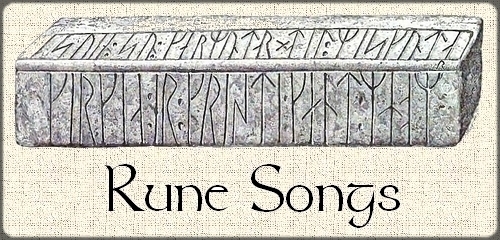
Rune songs were and many still are sung by people of all ages: children and adults, old and young, men and women on all sorts of occasions..... holidays, at play and work, as young people got together and at dances, celebrations, parties, weddings etc.
The interesting rune song melodies, some quite ancient and often in unusual time signatures and combinations become interesting music performed on solo guitar, or other string instruments such as harp.
We have prepared 32 Rune Songs for solo guitar
in PDF format with both standard notatin and tablature.
5 MP3 Samples

After your secure payment is processed you will immediately be sent the download link to the email you give while purchasing the collection.